


Purple Martin Birdhouses
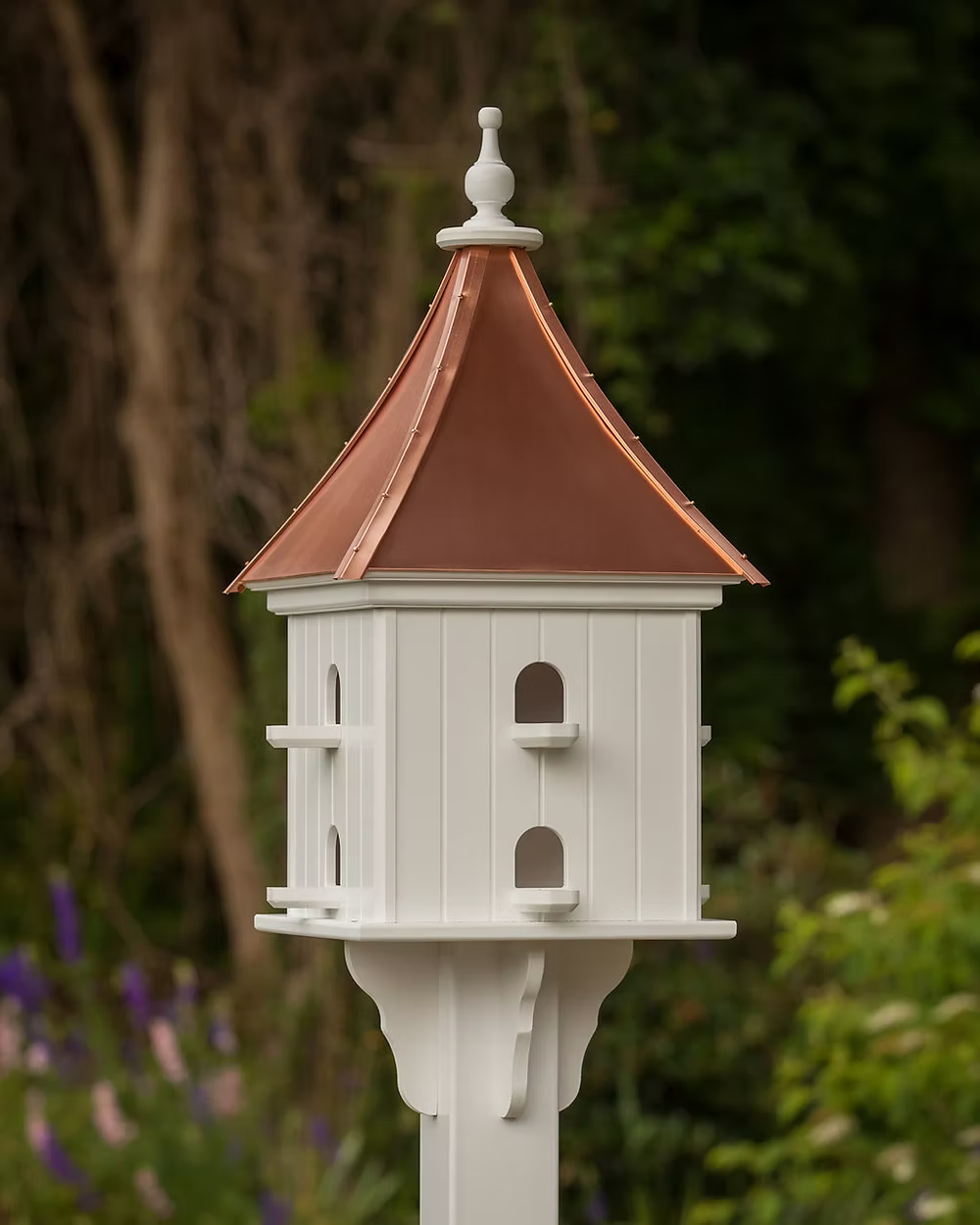
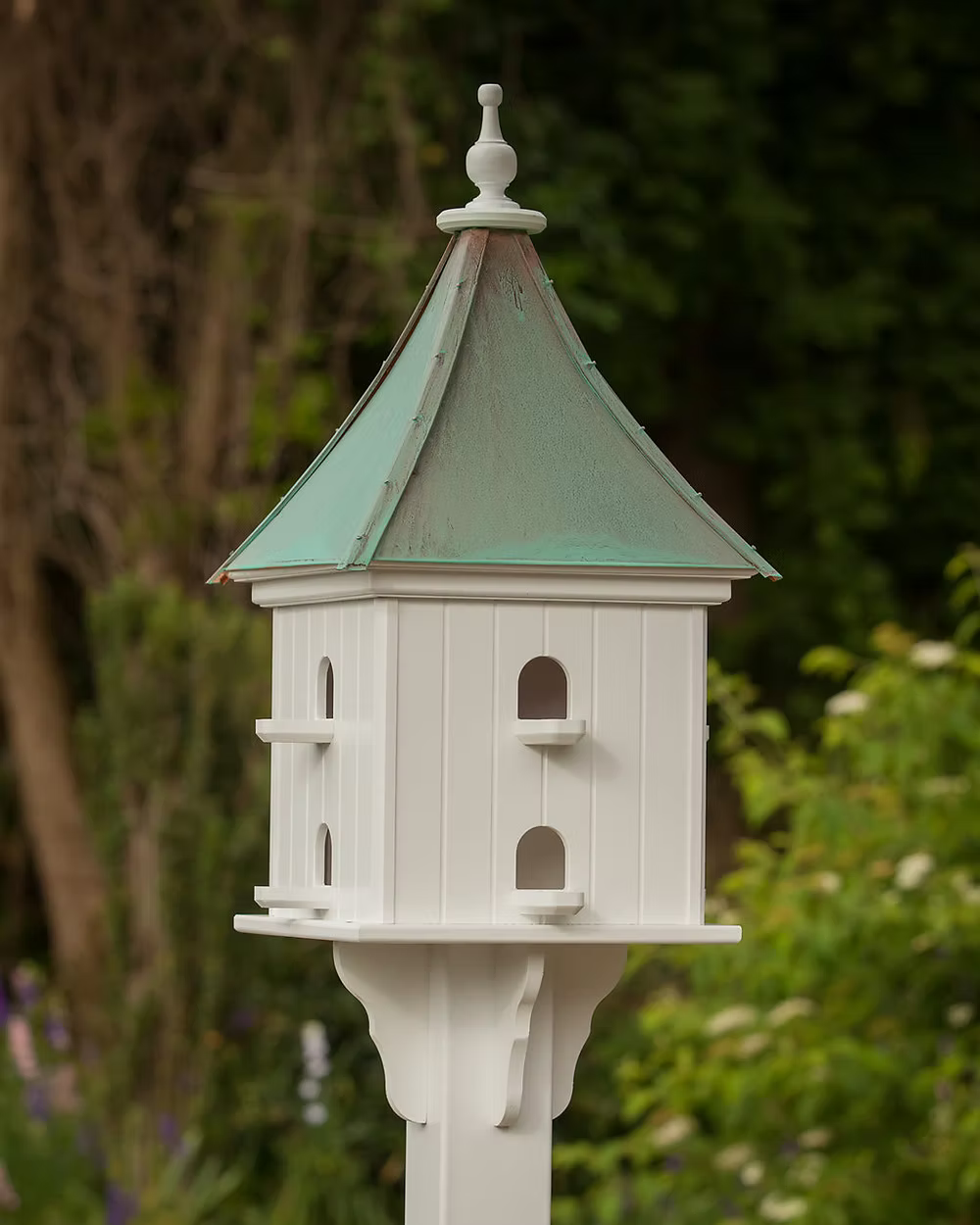
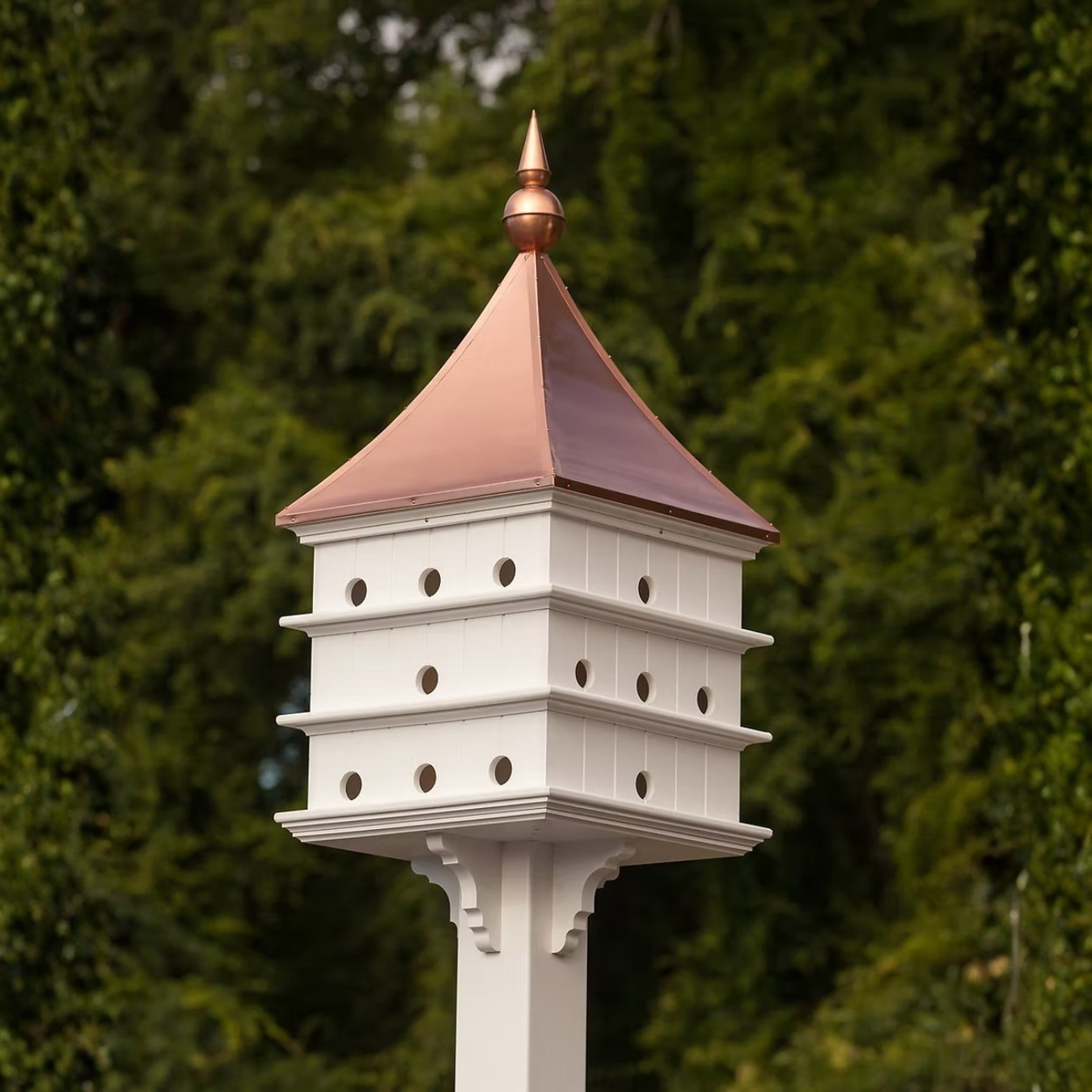
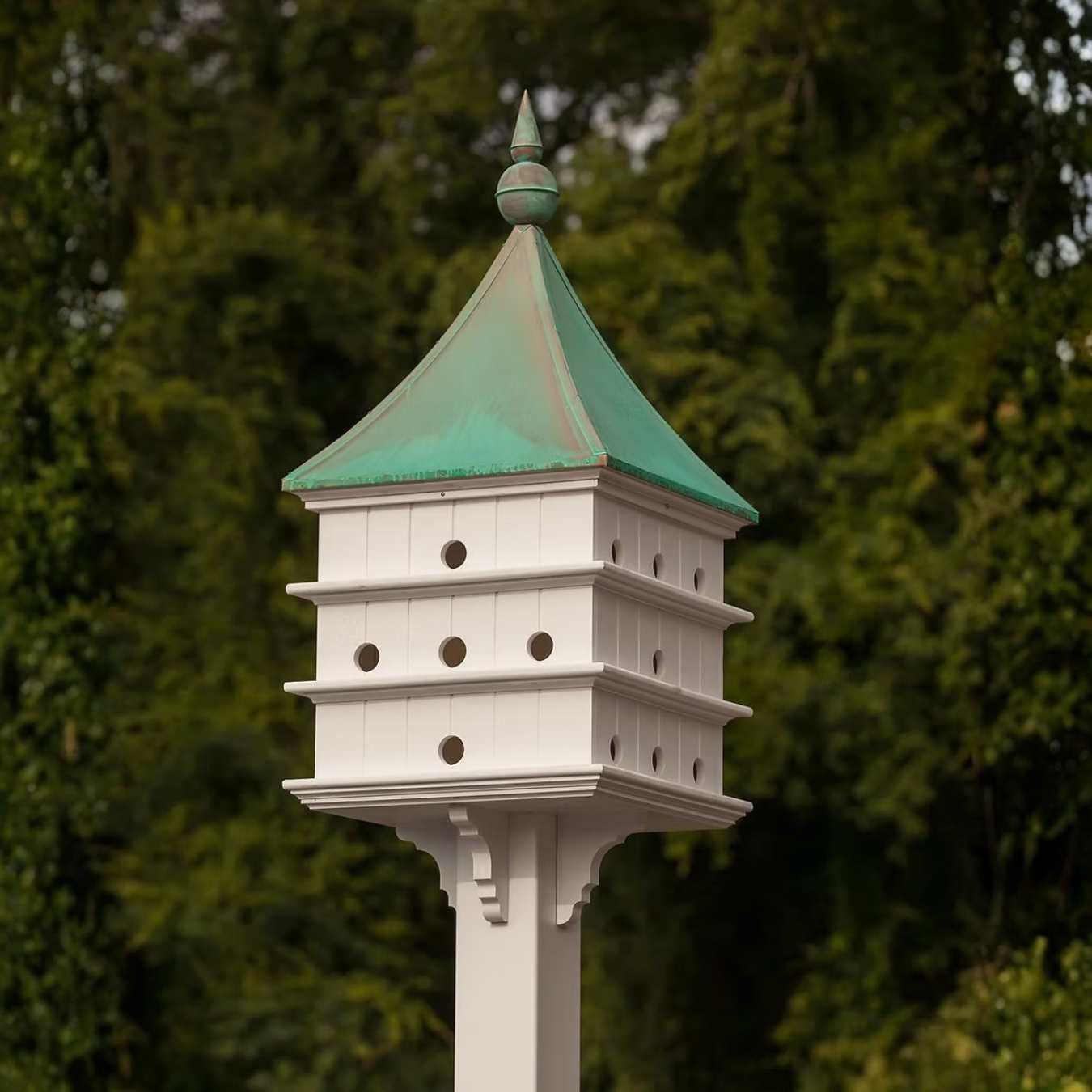


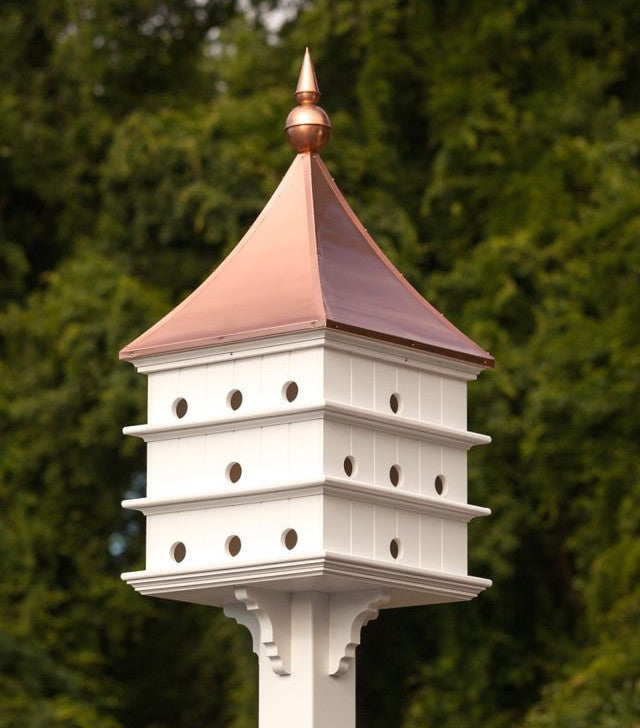
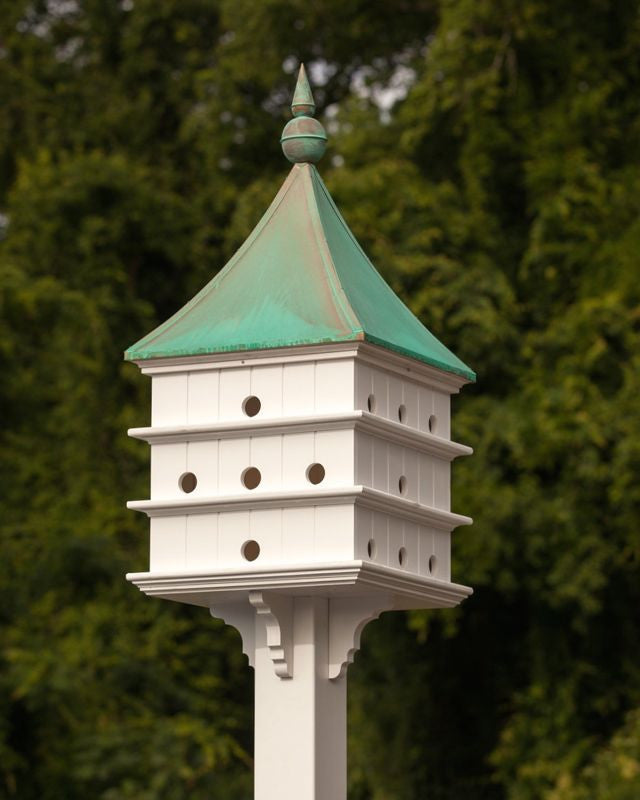


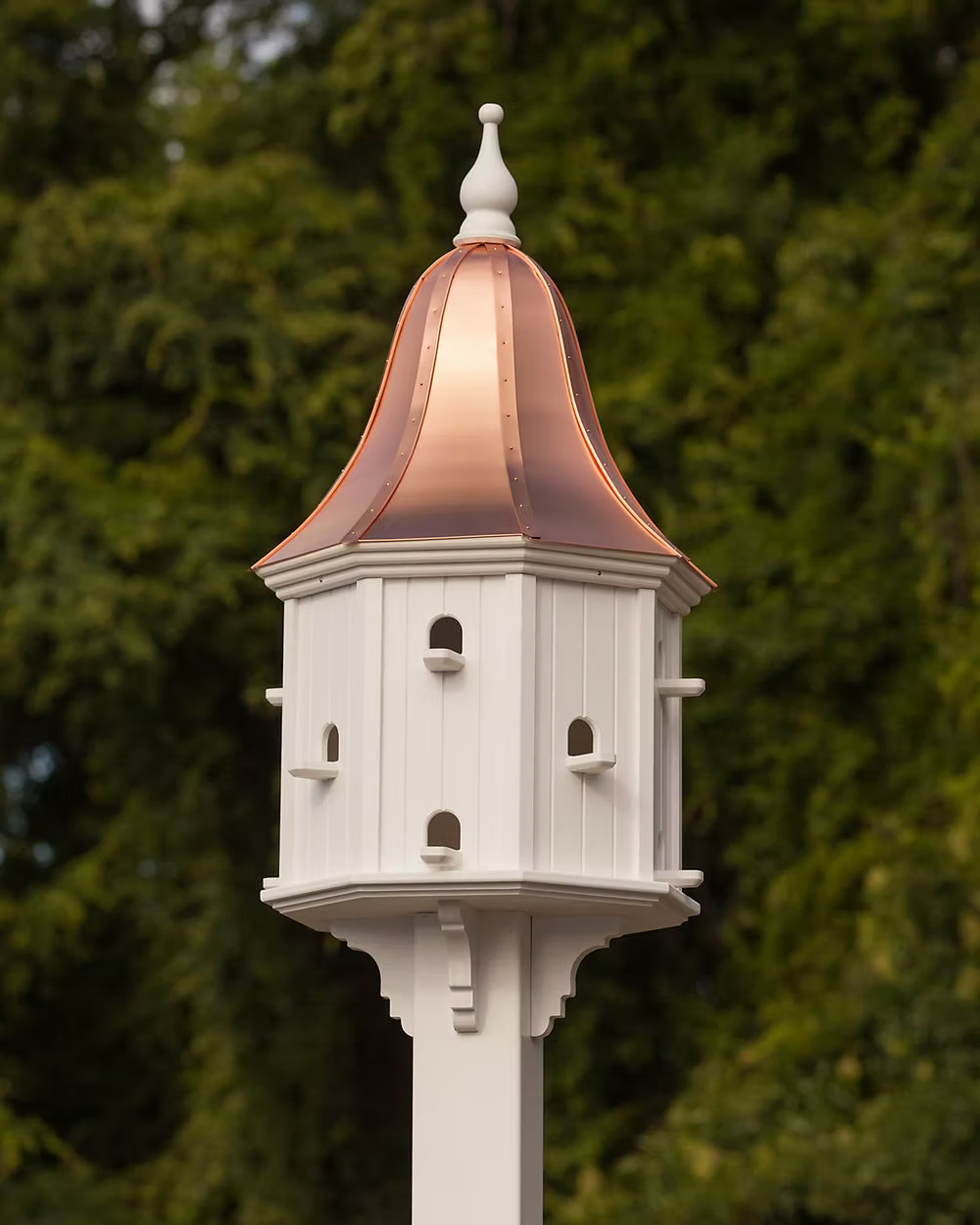
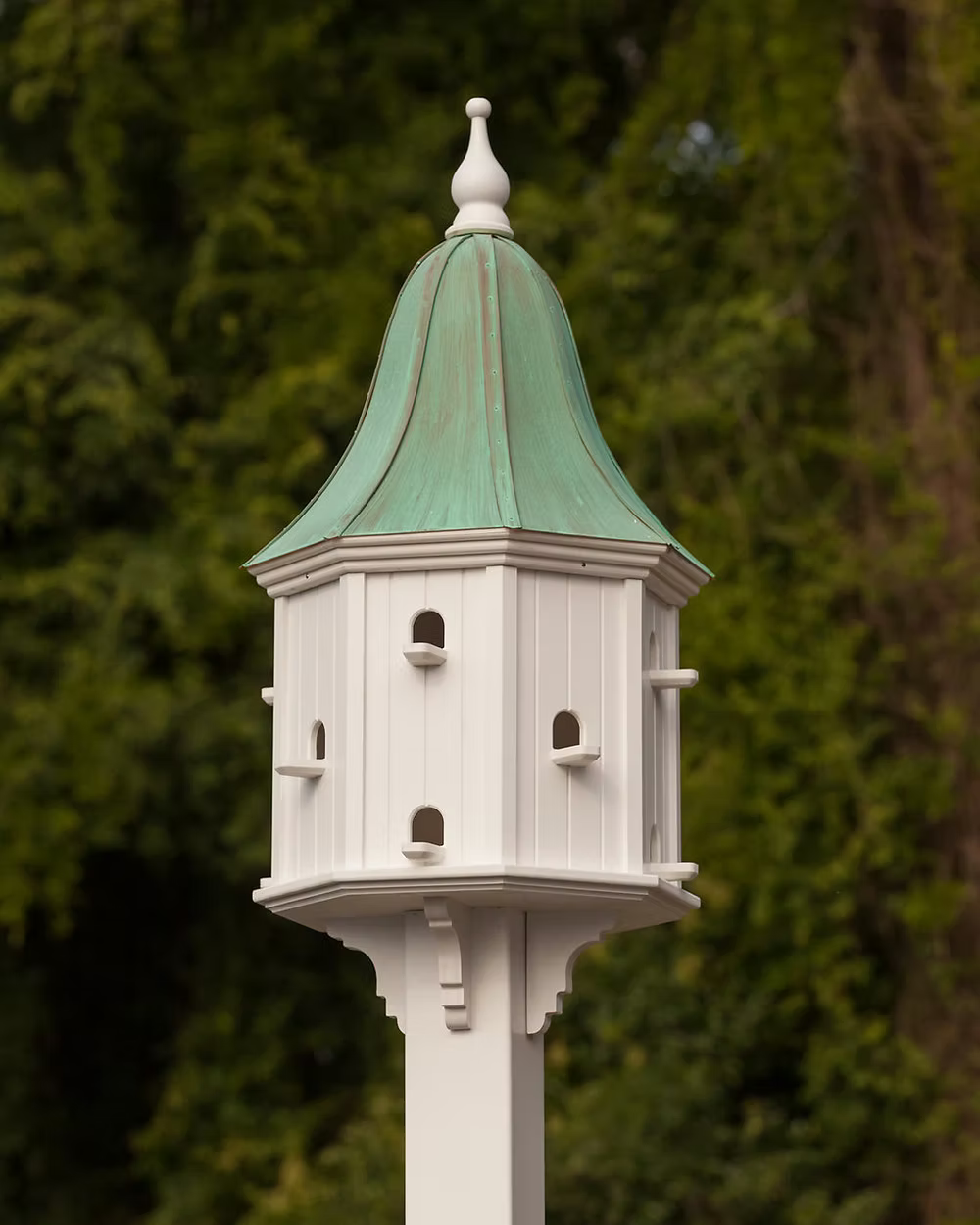
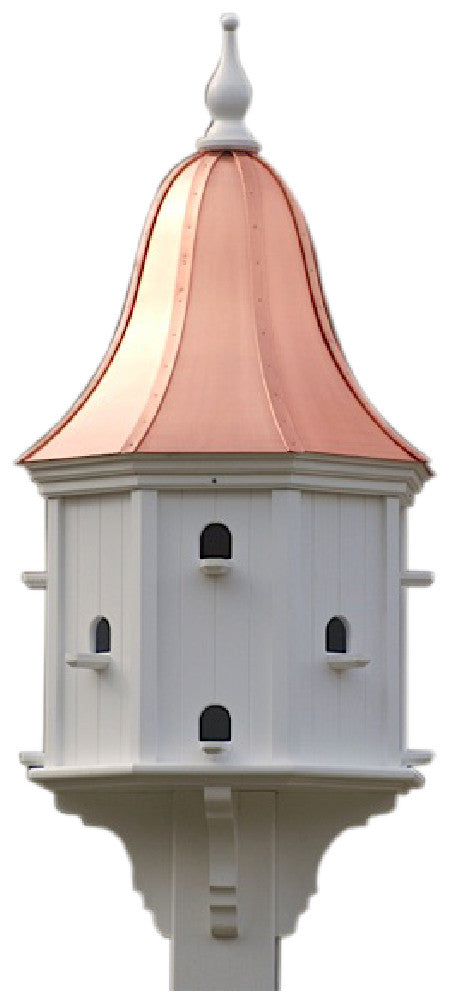
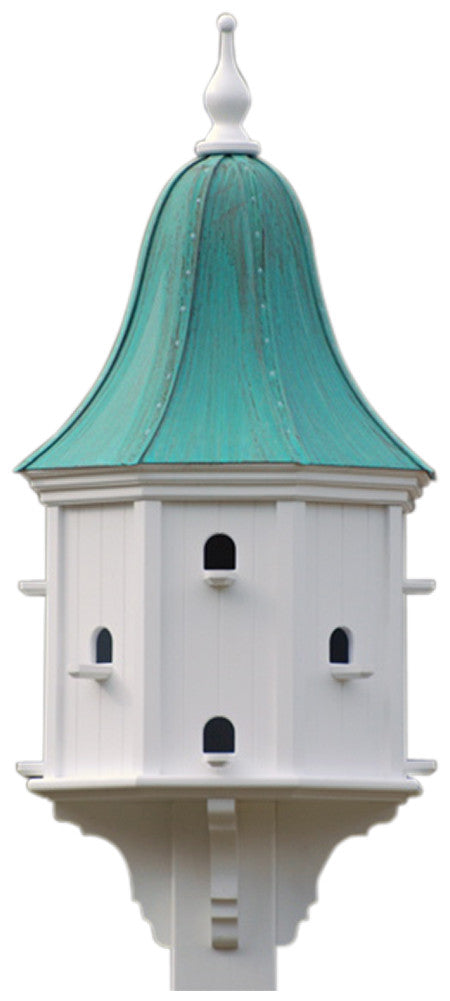
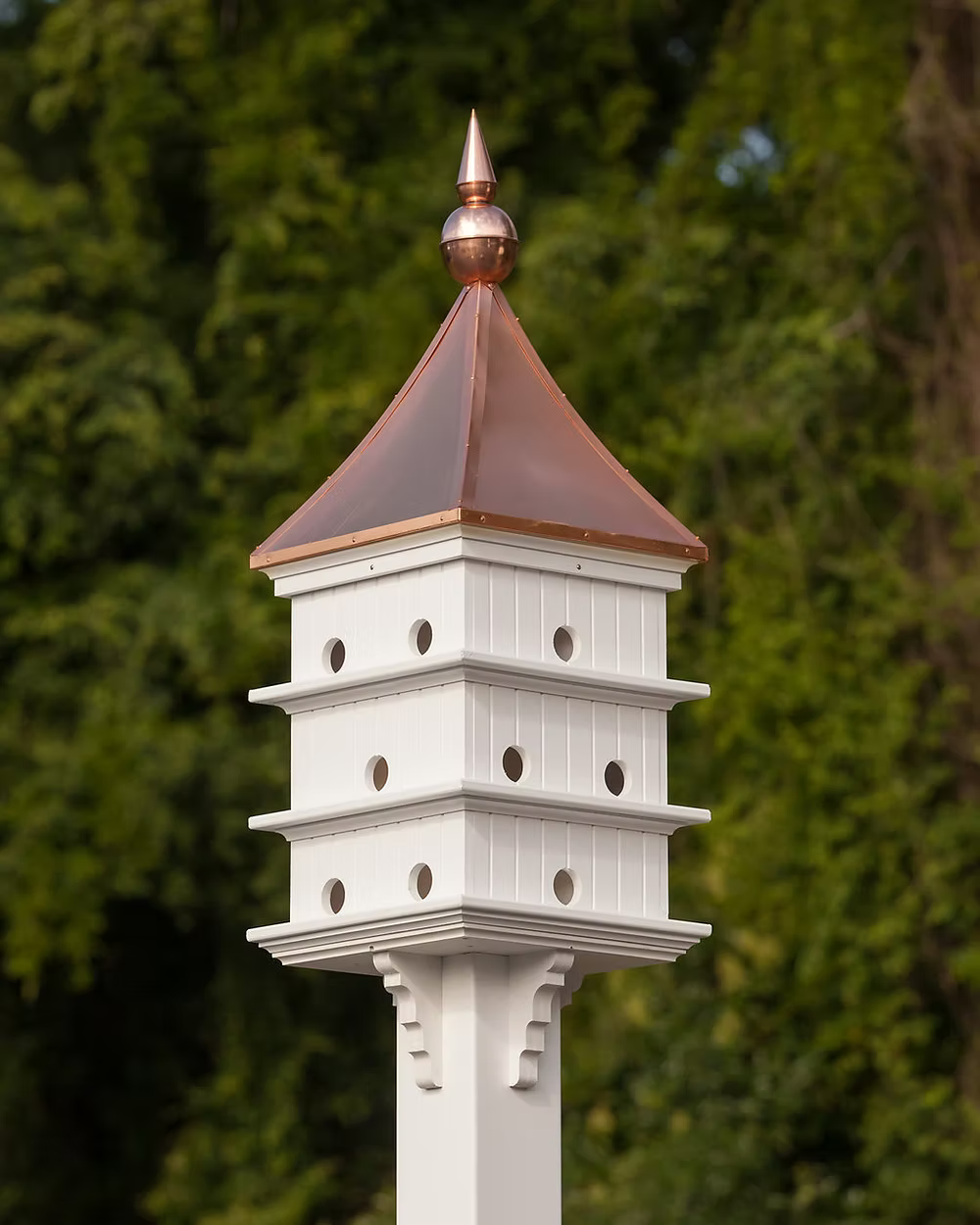
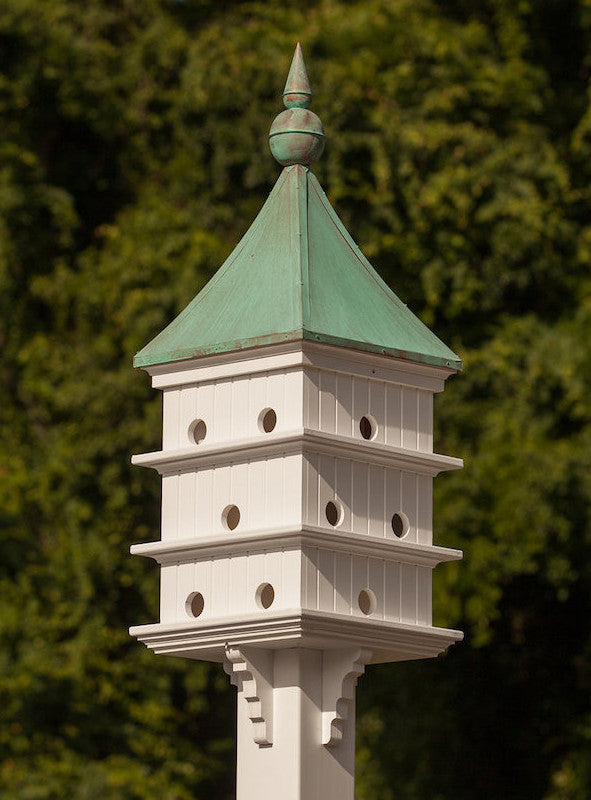
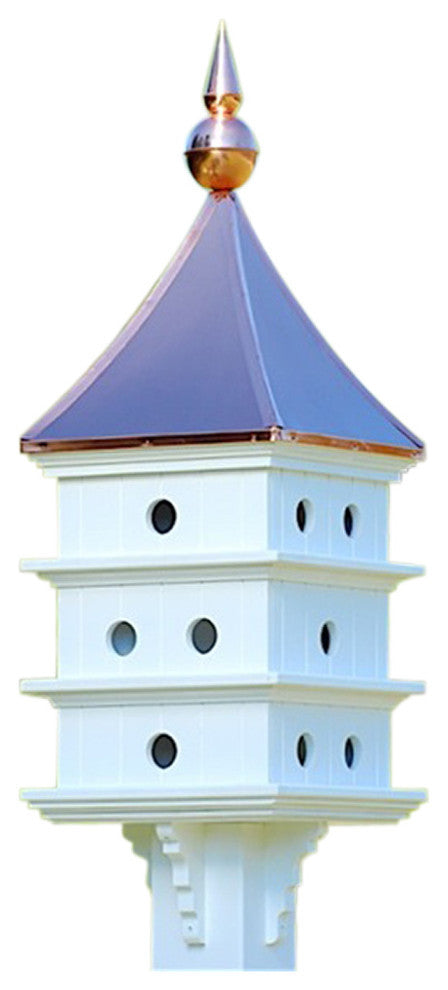


Quality Martin Houses from Basic to Grande!
Encourage purple martins who naturally reduce insect populations around your home or farm. Find the perfect accommodations for your colony with homes made of durable vinyl/PVC or wood. Newer styles feature upgrades like starling-resistant entries to help ensure successful broods and fledges!
A Bit About Purple Martins
Prey versus predator is the law of nature, Martins' predators are mostly snakes, hawks, raccoons and owls. Because of this, Martins will not nest in housing that's situated under a tree. Recommended placement of their birdhouse is always in the most open space, at least 40-60 feet away from any trees that are taller than your house.
Big trouble for Martins are two non-native bird species, the European starling and English house sparrow. The two aggressive species have taken their toll on many of our favored cavity-dwelling birds. Although predator guards may help deter them, house sparrows will still enter the cavity. They're known to go from nest to nest, pecking any eggs to ensure their own survival. Martins are very unlikely to nest in a house where another species exist.
A purple martin is the only bird who should be nesting in a martin house! If other birds are seen, it's best to plug the entrance until they leave to nest elsewhere. Should bluebirds or swallows try to nest, kindly provide some basic housing for them.
House sparrows and starlings are not protected by law, and it's legal to trap and/or shoot them. Most wildlife and birding societies promote these actions because starlings and house sparrows are taking a devastating toll on native-cavity nesting birds. For the most part, people are simply unaware of the damage these invasive species are causing native birds and the ecosystem in general.
